
Sports have been a teaching tool since time immemorial. Otherwise, they are enter-trained to exhibit strategy, teamwork, discipline, and adaptability. Having been allowed to adopt new learnings beyond the classroom, the emergence of sports broadcasting (스포츠중계) sites offers free real-time video streams. Aside from that, it also covers extensive sports news that are mostly presented in Korean.
The current digital sports platforms provide real-time reporting of global competitions as well as statistics and analysis. This has enabled viewers not just to see matches live, but also to study trends, tactics, and performance indicators as they happen. In a great number of respects, the contemporary sports streaming services become dynamic learning settings.
Live Sports as a Real-Time Education
The sports broadcasting is available and provides the audience with a direct exposure to elite competition. The experience of viewing live global tournaments stimulates critical thinking. It is because the audience can see the changes in tactics, formations, and the choices of coaches.
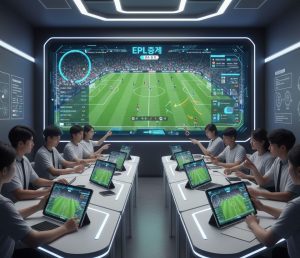
Viewers have the opportunity to see in real-time:
- Defensive formations and team formation
- Playing transition and attacking the opponent
- Efficiency statistics of the players
- How to manage the game in stressful situations
Combined with real-time statistical feeds and commentary, the experience of watching it becomes interactive and analytical as opposed to passive.
Availability and Linguistic Inclusion
Accessibility is one of the characteristics that define Korean-language sports streaming platforms. Sports broadcasting services make global competitions more accessible to a greater number of people. It is in the form of offering matches of international athletes and sports data to the audience in Korean language.
This language simplicity makes the audience more understandable:
- Technical terminology
- Tactical explanations
- Responsibilities and roles of players
- Tournament designs and league formats
Understandable language support helps to simplify complicated sports content into knowledge that is easy to digest and this simplifies the learning process among a wide audience.
Technology as a Pedagogical Resource
The current sports broadcasting systems use the latest development of digital infrastructure to provide high-quality streams over the devices. Live matches and integrated statistics are the same and dependable whether available on smartphone, tablet, or desktop.
The technology of sports broadcasting helps to improve learning by:
- Showing actual performance indicators
- Offering instant replay clips
- Providing interactive score boards
- Facilitating access to standings and schedules
These functions enable viewers to watch the cause-effect relationships on the field. They also show how the substitutions change the tempo, how the tactics change the scoring possibilities, and how the momentum changes the outcomes.
Promotion of Critical Thinking by Competition
Sports are dynamic problem solving places. Coaches also make adjustments to strategies during the game. The players will adjust to changing circumstances and teams will be able to handle both time and risk in a pressured situation. It is possible to observe these elements in action and this will foster critical thinking skills.
The viewers are able to:
- Anticipate strategic changes
- Evaluate decision-making in a pressurized situation
- Compare statistical tendencies across several matches
- Identify leadership in the field
This kind of interaction promotes involvement as opposed to passive consumption.
The Educational-based Sports Viewing
With the growth of digital innovation, sports broadcasting platforms can probably bring other more innovative features, such as:
- Improved data visualization
- Individual match analysis software
- AI-based performance failures
- Extended multilingual accessibility
The development of sports broadcasting is an indication of a larger scale movement towards interactive digital experiences. These platforms are exciting and informative as they blend live action with informational support which is rich.
The modern globalized world does not simply allow one to watch sports in real time just by tracking a point. It is concerning knowing the strategy, valuing athletic superiority, and relating with international competition in any significant manner. The current sports broadcasting websites are still transforming the way viewers learn. It is also modifying the experience of the sport they follow through the use of live streaming that is easily accessible.