



How to Recover After a Losing Streak (Without Going Broke)
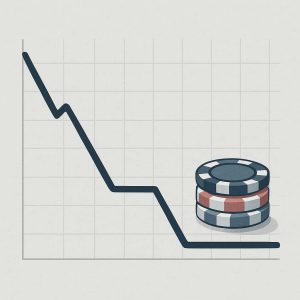 Every bettor hits a losing streak, it happens to both sharp and casual bettors. What matters is not the streak itself, but how you respond to it. Most bankrolls do not disappear because of one bad run; they disappear because of poor decisions made during that run. Recovery is not about chasing losses or hunting for a miracle bet, but about slowing down, checking your assumptions, and resetting your mindset in line with safe online gambling principles before more damage is done. Done right, a losing streak can be a warning sign rather than a financial disaster.
When to Pause Betting
The hardest move in betting is also the simplest. Stop. Pausing is not quitting. It is a form of bankroll protection. When emotions creep in, decision quality drops fast. If you keep betting while frustrated or anxious, you are no longer making the same choices you would make in a calm state.
Start with clear bankroll rules. If you are down a set percentage of your bankroll, often around 15 to 25 percent, that is a built-in signal to pause. Those limits exist to prevent temporary losses from turning into long-term damage.
Next, watch your behavior. Are you increasing bet size to recover losses faster? Are you betting on markets you usually avoid? Are you checking scores obsessively or feeling tense before games even start? These are not small tells. They are signs that judgment is slipping.
A pause does not need to be dramatic. It can be a day or two. It can be a whole week. The point is to interrupt momentum before tilt takes over.
During this break, avoid half-measures. Tracking picks while wishing you had money on them keeps the emotional loop alive. Let the distance be real. Stepping away allows your nervous system to settle, which is essential before making clear decisions again.
Re-Evaluating Edge vs. Variance
Once emotions settle, it is time for a calm review. Not a blame session. Just an honest assessment of what is happening.
The key question is whether you are dealing with variance or a loss of edge.
Variance is unavoidable. Even strong bets lose regularly. Short losing streaks can happen to profitable strategies without anything being wrong.
Edge erosion is different. Markets evolve—sports change. Books adjust. What worked six months ago may not work now.
Start with objective markers. Were your bets beating the closing line? Consistently failing to do so suggests your market read may be off. Closing line value is not perfect, but it is still one of the best signals available.
Review your selection process. Did you stick to your usual filters, or loosen your standards to find more action? Many losing streaks begin when selectivity fades.
Look closely at bet sizing as well. Even a good edge can feel unbearable if bet sizes are too large. If the swings feel emotionally overwhelming, that is often a sizing problem rather than a strategy problem.
Sample size matters. Ten or twenty bets prove nothing—a hundred start to provide clues. Several hundred allow for meaningful conclusions. Do not make sweeping changes based on noise.
If you spot issues, adjust slowly. Small, controlled changes are easier to evaluate and less likely to introduce new mistakes.
And if you cannot identify a real edge right now, sitting out is a valid decision. No bets mean no losses.
Psychological Reset Strategies
The financial impact of a losing streak is only half the problem. The mental toll usually comes first.
Start by separating your identity from outcomes. Losing does not mean you are bad at betting or incapable of improvement. Betting is probabilistic by nature, and results cluster. Personalizing losses only fuels emotional decisions.
Shift your focus from results to process. Instead of asking whether a bet won, ask whether it followed your rules. When the process stays intact, confidence returns faster, and decisions stabilize.
Change your routine. If you usually bet late at night, step away for a few days. If you spend hours scrolling odds, limit that window. Small environmental changes help break negative loops.
Physical habits matter more than most bettors admit. Poor sleep, constant screen time, and high stress directly affect impulse control. Taking care of basic health is not optional when money is on the line.
Paper trading can help as well. Track bets without placing them. If your reading improves once pressure is removed, that is valuable information.
Finally, reconnect with your original goal. If betting is about profit, discipline must come before excitement. If it is about enjoyment, constant stress defeats the purpose.
Final Thoughts
Recovering from a losing streak is not about finding a secret system or a perfect angle. It is about protecting yourself when your judgment is most vulnerable.
Pause before losses escalate. Determine whether you are facing bad luck or a genuine loss of edge. Reset your mindset so emotion does not drive decisions.
Most bettors do not go broke because they are wrong. They go broke because they refuse to slow down when being wrong starts to hurt.
Sometimes the smartest bet is no bet at all.



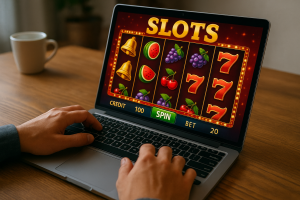 When people first hear about online slots, one of the most common questions is: Are they really fair? With no physical reels spinning in front of you, it’s natural to wonder what’s happening behind the screen. The answer comes down to technology and oversight. Their work plays a major role in building trust between players and casinos, especially for those who enjoy qqclubs slot game online Malaysia.
 Responsible gaming also forms one of the biggest dimensions within the Italian betting industry. Some of the features deployed by platforms such as 1Bet include self-exclusion devices, deposit restrictions, and alerts. All these actions will guarantee that betting is not only amusing but is also sustainable.
 How Crypto Casinos Work
 Making Sense of the Win








 Roulette has been one of the most iconic casino games for over three centuries. Its spinning wheel and simple layout have made it a favorite among both seasoned gamblers and curious newcomers. Now, with the rise of online gaming, the classic thrill of roulette is more accessible than ever. Players can enjoy the game from their phones or laptops without needing to step inside a casino. This accessibility makes it even more important to learn the basics before placing your first bet.

 Online slot games have rapidly gained popularity in recent years. PG Slot is one of the top platforms that offers exciting and innovative gaming experiences. If you’re new to the world of online gambling, learning the ins and outs of PG Slot can greatly enhance your gaming strategy. From understanding the game mechanics to mastering bankroll management, this guide will help you navigate through the essentials and improve your chances of success.